Contact us

X-Linked Hypophosphatemia (XLH): Comprehensive Strategies for Early Diagnosis and Lifelong Management in Children and Adults

MSK NEWS

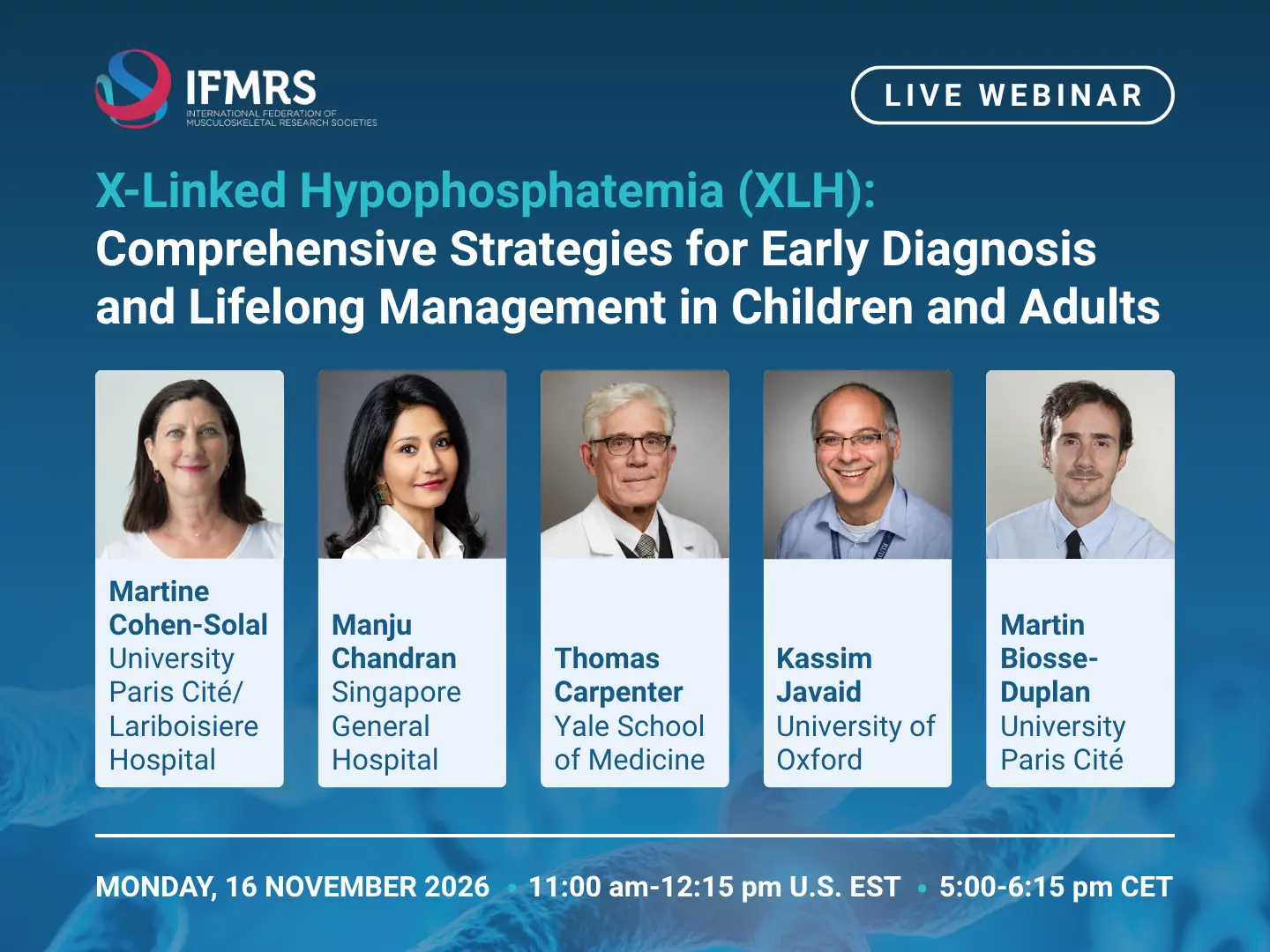
X-Linked Hypophosphatemia (XLH): Comprehensive Strategies for Early Diagnosis and Lifelong Management in Children and Adults

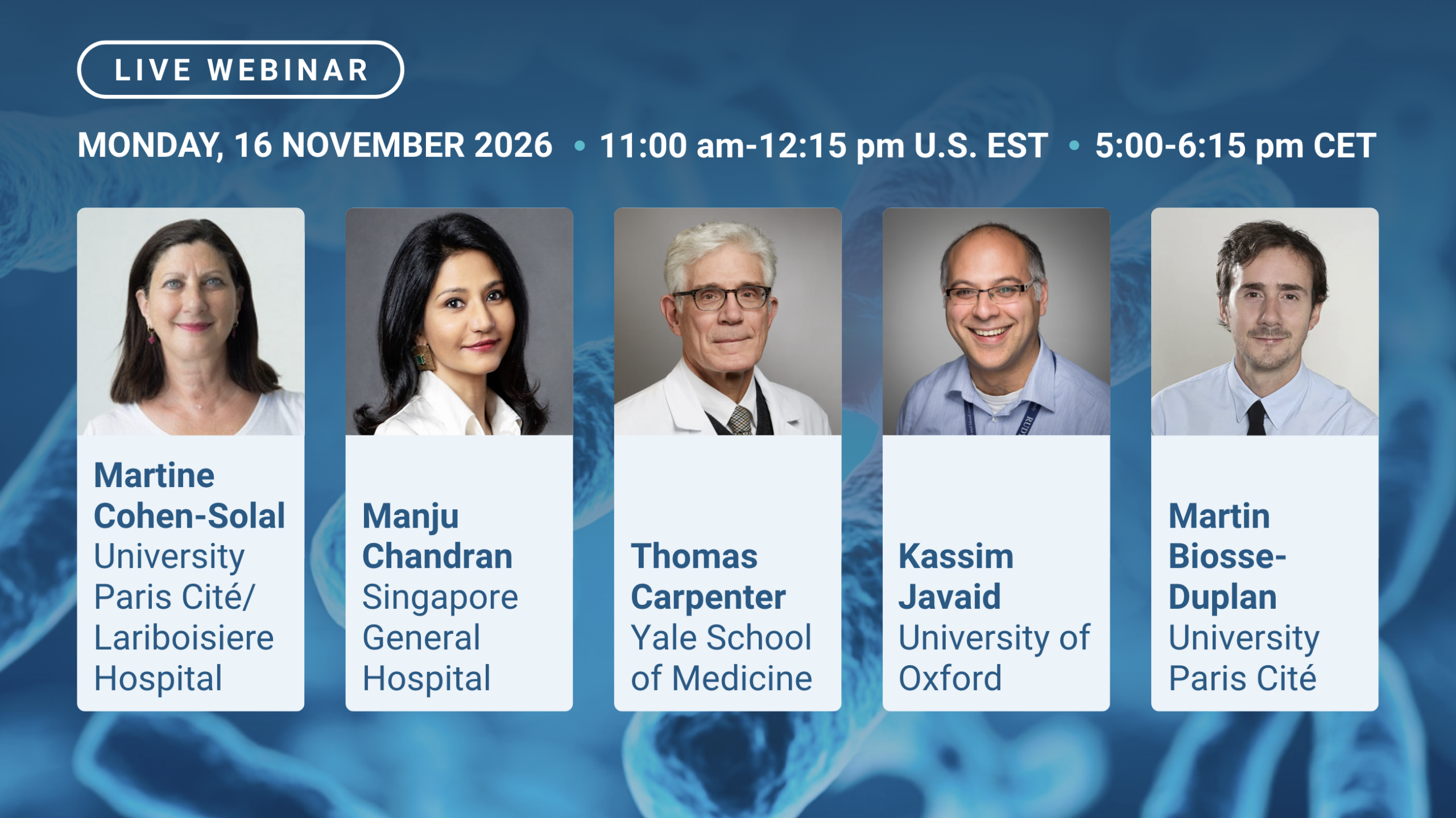
Monday, November 16, 2026
11:00 am-12:15 pm US Eastern Time
5:00-6:15 pm Central European Time

Please join us on November 16 for a webinar on all aspects of diagnosing XLH in the pediatric and adult population (including dental manifestations and other health effects of those with XLH).

Time

Topics

Speakers

5 minutes

Kick off/introductions

Martine Cohen-Solal
University Paris Cité/Lariboisiere Hospital

10 minutes

ABCs of Phosphate

Manju Chandran
Singapore General Hospital

15 minutes

What not to miss in the pediatric clinic –XLH diagnosis and management

Thomas Carpenter
Yale School of Medicine

20 minutes

What not to miss in the adult clinic –XLH diagnosis and management

Kassim Javaid
University of Oxford

10 minutes

Dental manifestations of XLH in adults/children

Martin Biosse-Duplan
University Paris Cité

10 minutes

Question and Answer Session

Dr. Cohen-Solal/ALL

Supported by an unrestricted educational grant from Kyowa Kirin.

Register for our live webinar
IFMRS Working Group Helps Deliver a Landmark Bone Genetics Paper

MSK NEWS

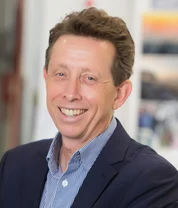
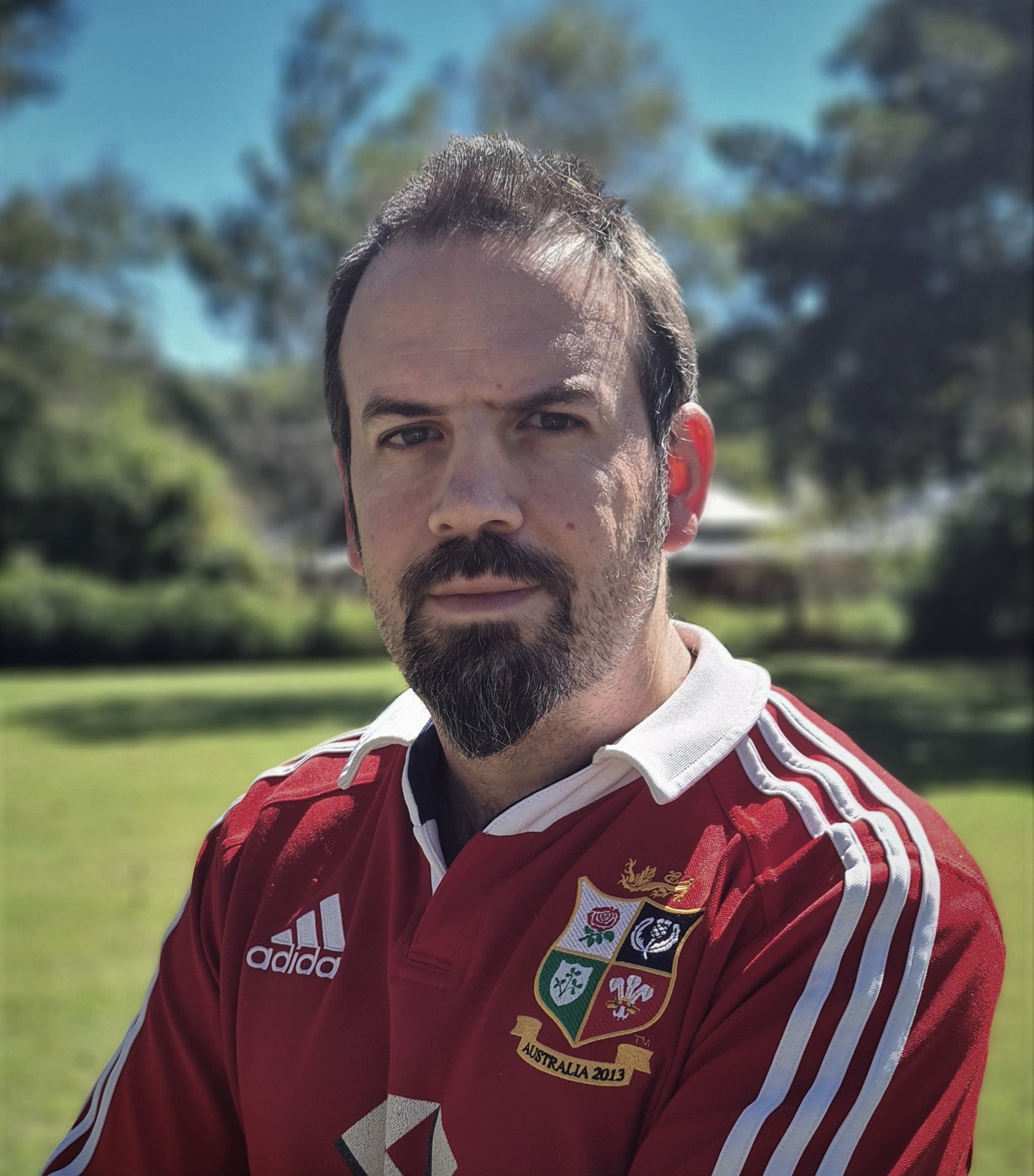
Left to right: John P. Kemp, Peter Croucher, and Ryan C. Chai

IFMRS Working Group Helps Deliver a Landmark Bone Genetics Paper

The IFMRS Big Data Working Group (chaired by Dr. Doug Kiel, Harvard Medical School and Beth Israel Deaconess Medical Center, Boston, MA), was a key catalyst around a landmarkpaper entitled “Multiscale analysis and functional validiation of the cellular and genetic determinants of skeletal health” published in Nature Genetics in July 2026. This paper mapped 34 distinct cell types and hundreds of new genes regulating bone formation and loss to help uncover targets for skeletal diseases. 

What follows is a description of the paper by one of its lead authors, Professor John P. Kemp, BSc(Hons), MSc, PhD, Mater Research Institute, The University of Queensland, Translational Research Institute, Woolloongabba, Queensland, Australia.

How it started
Great science often begins with a casual chat over a drink. At the 2019 Australia and New Zealand Bone and Mineral Society meeting in Darwin, authors met at a local pub after the day's sessions. What began as informal chatter about our different expertise—single-cell omics, population genetics, and high-throughput bone phenotyping—evolved into a plan to systematically uncover the genes and cells that regulate the skeleton. After years of teamwork, that pub conversation culminated in the current paper, highlighting the vital role transdisciplinary collaborative research plays in driving and disseminating impactful scientific discoveries.

What is the background of the study?
Genome-wide association studies (GWAS) have identified hundreds of genomic regions associated with bone mineral density (BMD). However, translating these findings into pharmacotherapies remains a significant challenge, primarily due to the difficulty in pinpointing genes within these regions that regulate BMD. To address this challenge, the study integrated three complementary approaches: GWAS to identify genomic regions containing candidate genes, single-cell transcriptomics to identify candidate genes expressed in bone-regulating cells, and in vivo screens to validate the predicted role of selected candidate genes in regulating BMD.

What did the study find?
This integrated approach the mapping of candidate genes to specific cell populations within the endosteal compartment of bone. We generated a comprehensive cellular atlas of bone identifying 34 distinct cell populations and prioritised hundreds of candidate genes, over half of which had never previously been linked to bone biology. Crucially, functional validation in mouse models confirmed that many of these candidate genes alter bone mass and structure through classical bone-resident cell types, but also highlighted an unexpected, vital role for endothelial and vascular smooth muscle cells in skeletal health and disease.

What is the application of these findings?To facilitate access to these diverse data, members of the IFMRS big data working group created a bespoke web platform that helps researchers to identify bone-regulating genes and formulate cellular and mechanistic hypotheses regarding their role in rare and common skeletal diseases, including bone cancers.

The platform can be accessed using at https://www.musculoskeletal-genomics.org.

Read the full paper

ECTS Clinical Training Course – Application for LMIC Participants (Free of Charge Places)

MSK NEWS

ECTS Clinical Training Course – Application for LMIC Participants (Free of Charge Places)

We are pleased to invite applications for five free places for participants from Low- and Middle-Income Countries (LMICs) in the upcoming ECTS Clinical Training Course. Applications will be reviewed by a small committee of ECTS Academy members. Please complete the form below and upload the requested documents. The deadline for submission is 2nd of October 2026.

Required documents: 
• Short CV (max. 2 pages)
• Motivation letter (½ – 1 page)

If you are unable to upload documents, please contact Hannah Roddis (IFMRS) at hroddis@ifmrs.org.

Apply now

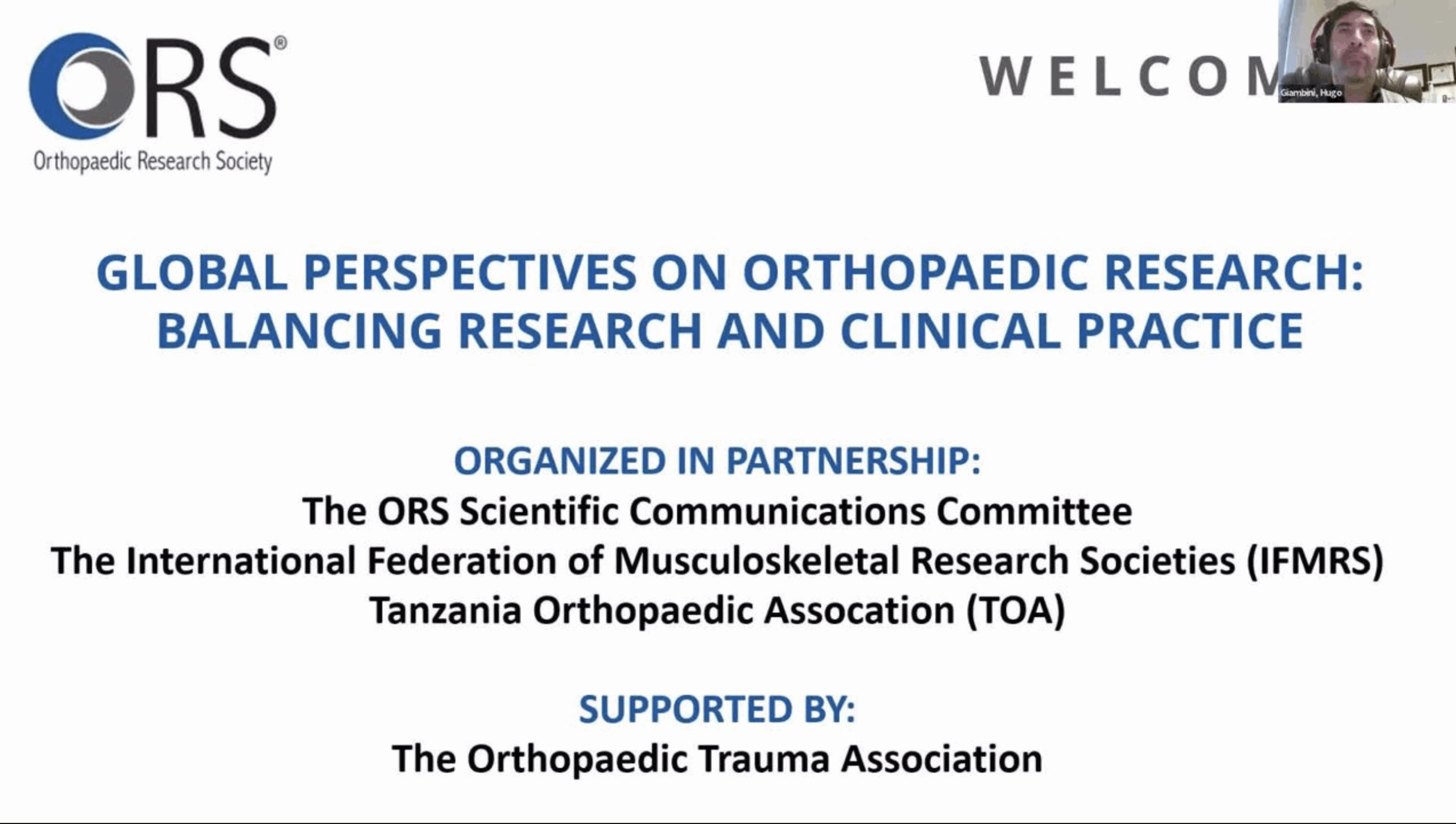
Global Perspectives on Orthopaedic Research: Balancing Research and Clinical Practice

IFMRS/ORS Webinar Series

 Speakers

Alexander Schade, BSc, MBBS, MRCS, MPH, PhD |
Research Clinical Fellow, Malawi-Liverpool-Wellcome, Warwick Trauma and Orthopaedic Registrar ST6 University Hospitals Coventry and Warwickshire

Roger Cornwall, MD |
Professor of Orthopaedic and Developmental Biology, Research Faculty Director, Division of Orthopaedic Surgery, Cincinnati Children’s Hospital Medical Center

—

The video is part of the LearnORS Video Library.

Global Perspectives on Orthopaedic Research: How to Collect & Publish Data

IFMRS/ORS Webinar Series

Speakers

Grace Drury MA Oxf, MA |
Global Health Project Manager, Nuffield Department of Orthopaedics, Rheumatology and Musculoskeletal Sciences at the University of Oxford

Billy Thomason Haonga, MD |
Specialist Orthopaedic Surgeon – MAMC/Muhimbili Orthopaedic Institute, Associate Professor at the Muhimbili University of Health and Allied Sciences – https://muhas.ac.tz/

—

The video is part of the LearnORS Video Library.

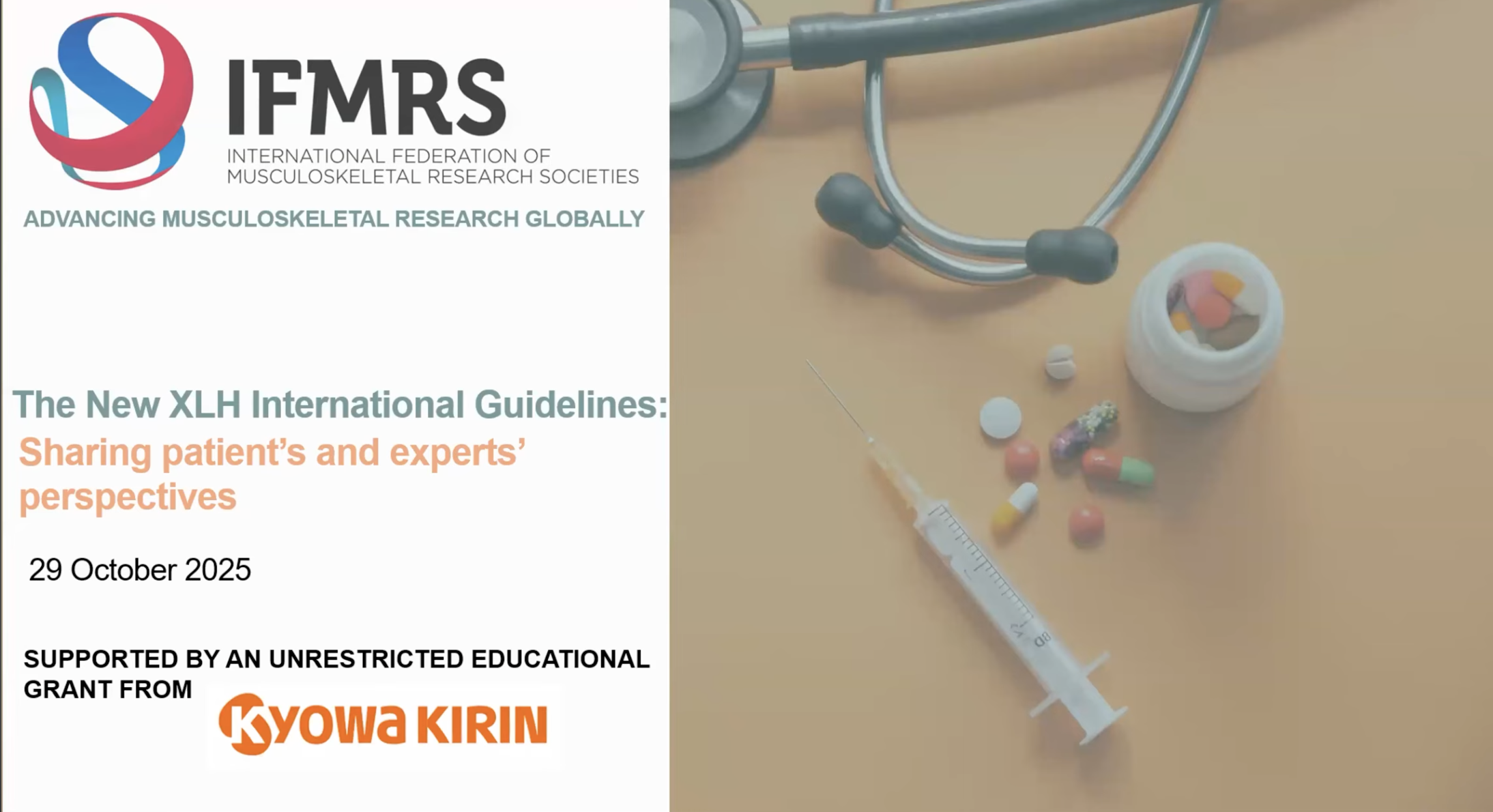
The new XLH International Guidelines — patients’ and experts’ perspectives

The new XLH International Guidelines: sharing patients’ and experts’ perspectives. 

Supported by an unrestricted educational grant of Kyowa Kirin.

Kyowa Kirin - IFMRS Gold Partner

Open the registration form »

Join IFMRS on Wednesday, 29 October, for a free virtual workshop on the new X-Linked Hypophosphataemia (XLH) international guidelines. Hear from leading experts and the XLH community on diagnosing, evaluating, managing, and monitoring XLH, with an emphasis on multidisciplinary care and current treatment options, including burosumab.

The session will look back at the journey so far in XLH and discuss the new guidelines from adult and paediatric viewpoints, with time for Q&A.

Speakers: Prof Thomas Carpenter (Yale University), Prof Leanne Ward (University of Ottawa), Prof Suzanne Jan De Beur (University of Virginia), Tenna Toft Sylvester (International XLH Alliance).
Co-chairs: Martine Cohen-Solal (ECTS President-elect) and Dr Adalbert Raimann (XLH expert).

Free, registration required (click).

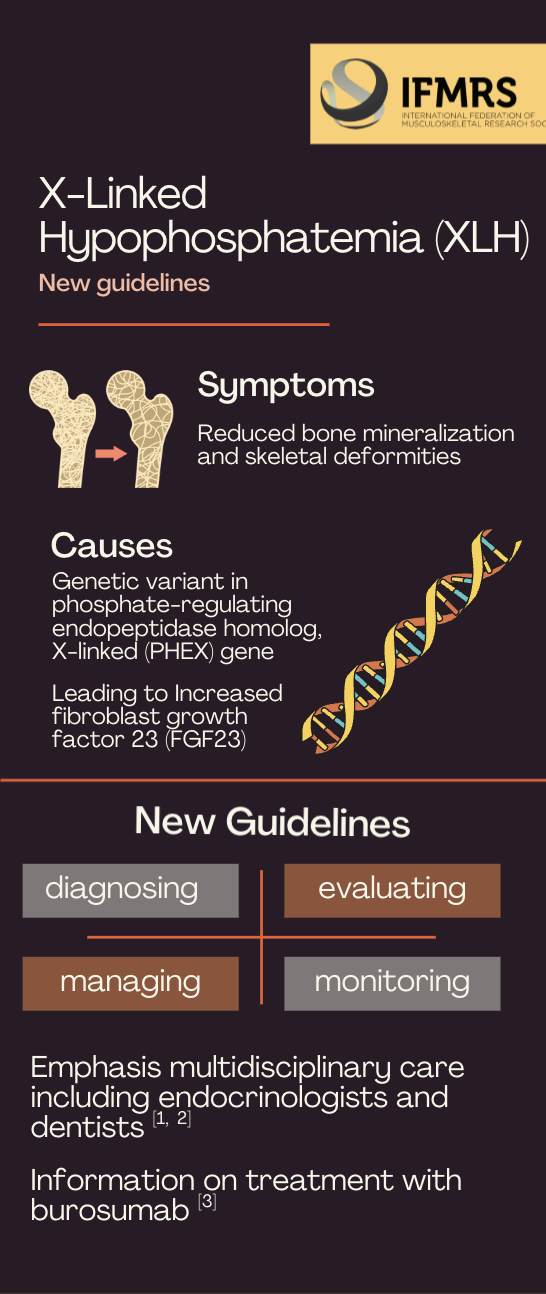
What is XLH? 

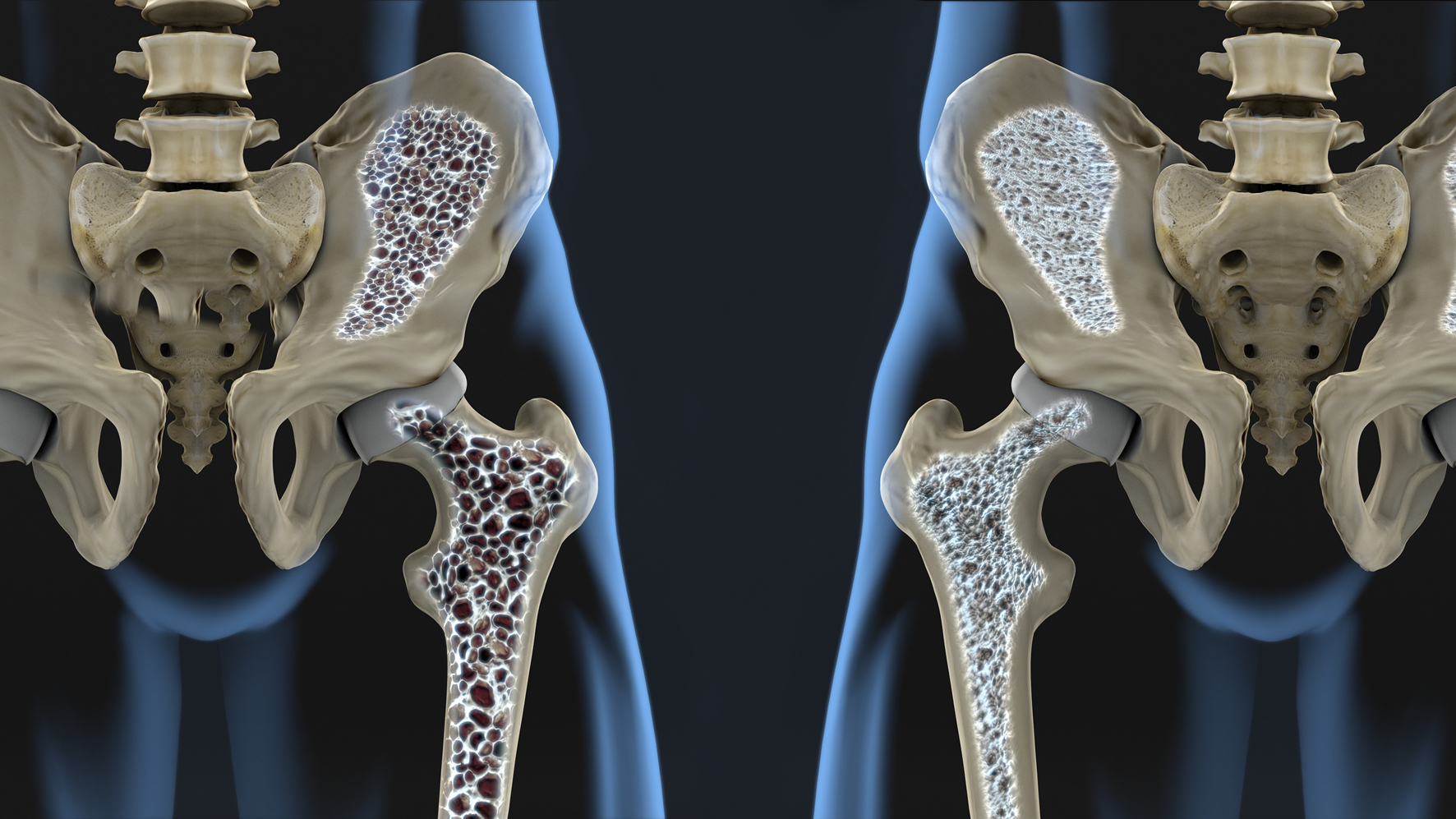
Symptoms: Reduced bone mineralisation and skeletal deformities.

Causes: Variants in the PHEX gene leading to increased FGF23 activity and phosphate wasting.

New guidelines focus on: diagnosing • evaluating • managing • monitoring.

Care model: Strong emphasis on multidisciplinary care (including endocrinologists and dentists).

Therapy note: Information on treatment with burosumab, where appropriate.

See references below.

1. https://pubmed.ncbi.nlm.nih.gov/39960858/

2. https://academic.oup.com/jcem/article/110/8/2353/8115450

3. https://www.nature.com/articles/s41581-024-00926-x 

BoneUp Interviews with Giovanni Adami and Claus‑Christian Glüer

Episode notes

A fresh episode of the Bone Up podcast is now available, hosted by Dr. Richie Abel (PhD) and Prof. David Armstrong (MD). In this installment, recorded in Innsbruck during the 2025 ECTS Annual Meeting, the hosts discuss the latest advances in bone research:

  • Insights from Giovanni Adami on optimizing the combination and sequencing of bone medications, including the role of AI in osteoporosis management.

  • A spotlight on Claus‑Christian Glüer and his novel fracture-risk prediction tool, Hive.

Running approximately 45 minutes, the episode is a must-listen for clinicians, researchers, and anyone passionate about bone health. 

LISTEN AT: 
https://rss.com/podcasts/boneup/2154457/